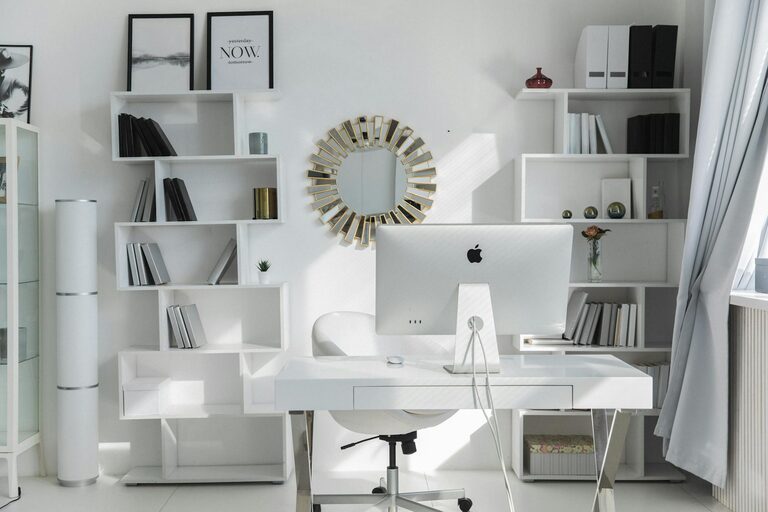
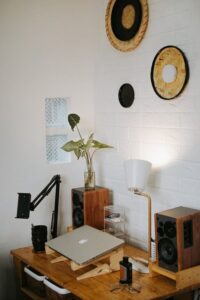

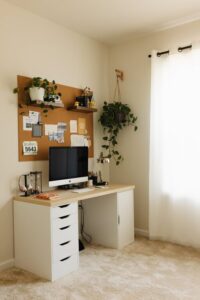
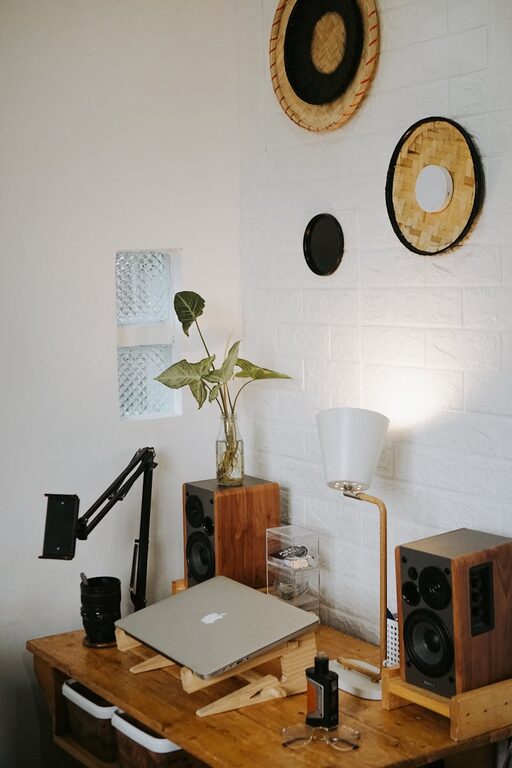
Creating a home office that is both cozy and productive can greatly improve your work-from-home experience. Whether you are a remote employee, a freelancer, or someone who occasionally works from home, the way your workspace is set up affects your focus, motivation, and overall well-being.
In this guide, we’ll explore practical tips to help you design a home office that supports productivity without sacrificing comfort. From choosing the right furniture to optimizing lighting and organisation, these strategies can transform your space.
1. Choose the Right Location for Your Home Office
Selecting the right spot in your home is the first step to creating an effective workspace.
– Quiet area: Try to find a space away from distractions like the TV, kitchen noise, or busy household areas.
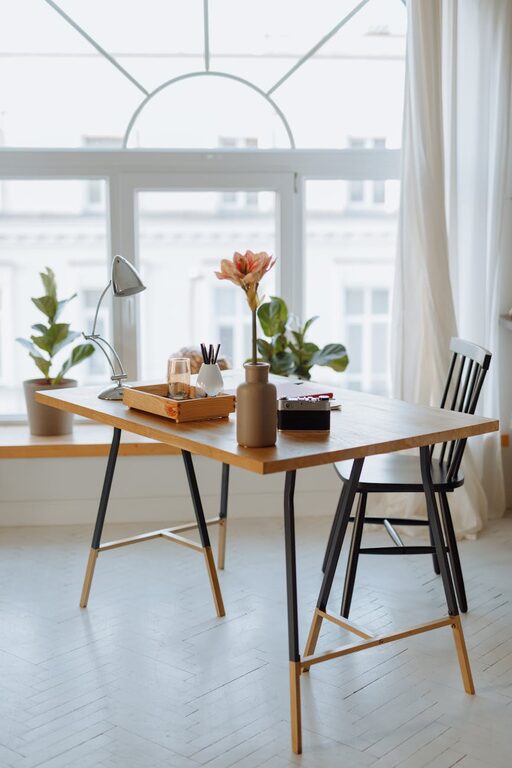
– Natural light: If possible, set up near a window. Natural light improves mood and reduces eye strain.
– Dedicated space: Even if small, having a dedicated area for work helps mentally separate office time from relaxation time.
If a separate room is not available, consider using room dividers or arranging furniture to visually separate your office space.
2. Invest in Comfortable and Functional Furniture
Your furniture choices directly influence how comfortable and productive you feel during your workday.
– Ergonomic chair: A chair with good lumbar support and adjustable height is essential to prevent back pain.
– Desk space: Choose a desk large enough for your computer, documents, and any other tools you regularly use.
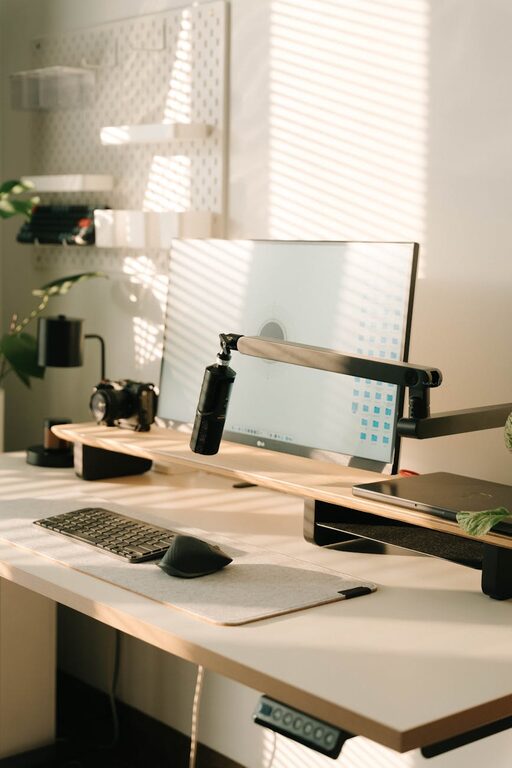
– Standing options: Consider a sit-stand desk or a convertible setup to vary your posture throughout the day.
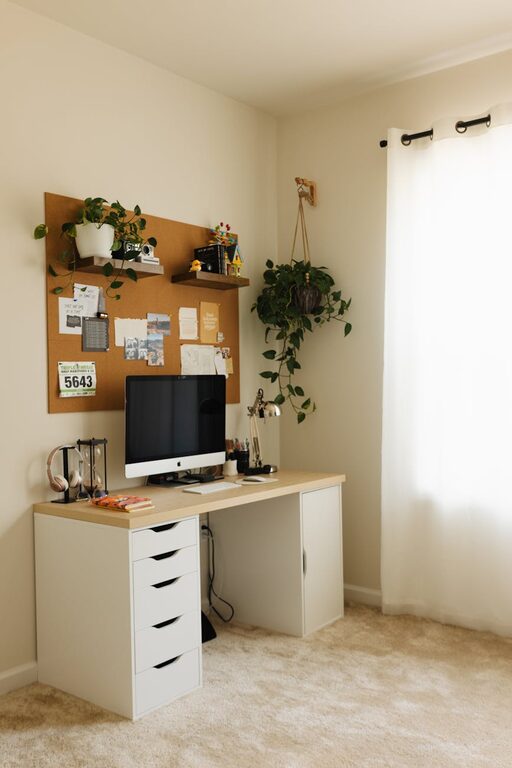
– Storage solutions: Incorporate shelves, drawers, or filing cabinets to keep your workspace tidy.
Remember, comfort doesn’t mean bulky. Opt for pieces that suit your room size and style preferences.
3. Optimize Lighting for Comfort and Focus
Proper lighting helps reduce fatigue and improves concentration.
– Combine natural and artificial light: Use desk lamps or overhead lighting to supplement daylight.
– Avoid glare: Position screens perpendicular to windows to minimize reflections.
– Use warm light: Warm white bulbs create a cozy atmosphere without straining your eyes.
– Task lighting: A focused desk lamp is useful for reading and writing tasks.
Adjust lighting based on the time of day to keep your space inviting and functional.
4. Personalize Your Workspace with Thoughtful Decor
Personal touches can enhance the coziness of your office and make work enjoyable.
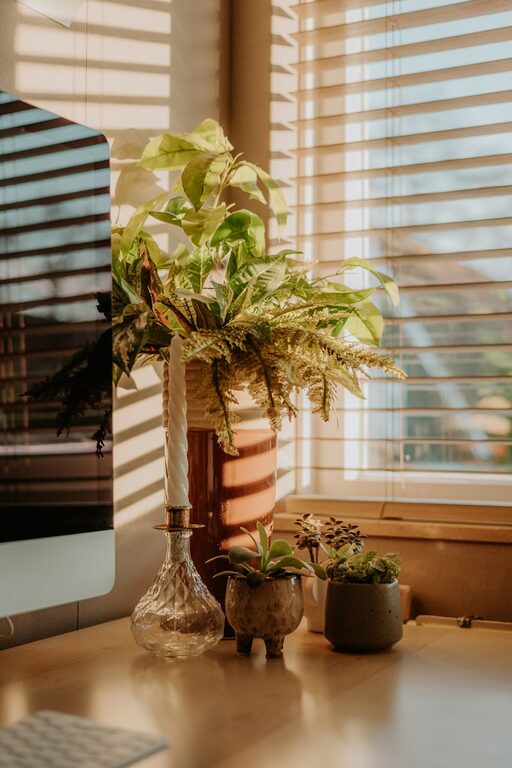
– Plants: Adding greenery improves air quality and creates a calm environment.
– Artwork: Hang prints or photos that inspire you or promote relaxation.
– Textiles: Cushions, rugs, or curtains add warmth and softness.
– Colour choice: Choose calming colors like soft blues or greens, or energising accents such as yellows.
Keep décor minimal enough to avoid clutter but enough to give your office character.
5. Organize for Efficiency and Minimal Distraction
Clutter can disrupt focus and increase stress, so organisation is key.
– Declutter regularly: Remove unnecessary items from your desk daily.
– Use organisers: Pencil holders, trays, and cable management tools keep things neat.
– Go digital: Reduce paper by scanning documents and using cloud storage.
– Create zones: Define areas for computer work, meetings, and note-taking if space allows.
A clean and well-organized environment helps your brain stay on task.
6. Manage Noise Levels for Concentration
Noise can be a major distraction, so consider ways to control sound.
– Noise-cancelling headphones: These can help block out background sounds.
– Soft materials: Carpets, curtains, and cushions absorb noise effectively.
– White noise machines: They provide consistent background sounds that can improve focus.
– Set boundaries: Inform others in your household about your work hours to reduce interruptions.
Tailor solutions to your home’s specific noise environment.
7. Maintain Good Air Quality and Temperature
Comfortable air and temperature contribute to alertness and well-being.
– Ventilation: Open windows when possible to refresh the air.
– Air purifiers: Consider a small air purifier if your home tends to be stuffy.
– Temperature control: Use fans, heaters, or climate control systems to keep your space comfortable year-round.
– Humidity: A humidifier can help in dry environments, especially during winter.
A fresh and comfortable atmosphere encourages longer, more productive work sessions.
8. Set Clear Boundaries Between Work and Home Life
Designing your home office also involves setting routines that help separate work time from personal time.
– Regular schedule: Keep consistent working hours.
– Start and end rituals: Simple actions like turning on a desk lamp or closing your laptop signal work beginning or end.
– Break area: If possible, have a separate spot for breaks to help mentally disconnect.
– Avoid multitasking: Resist mixing household chores with work during office hours.
Boundaries aid in maintaining a healthy work-life balance.
—
By thoughtfully designing your home office with these tips, you can create a space that feels comfortable and supports your focus and productivity. The balance of coziness and efficiency allows you to enjoy your workdays while staying motivated and organised. Start small, adjust as you go, and make your home office a place you look forward to spending time in.