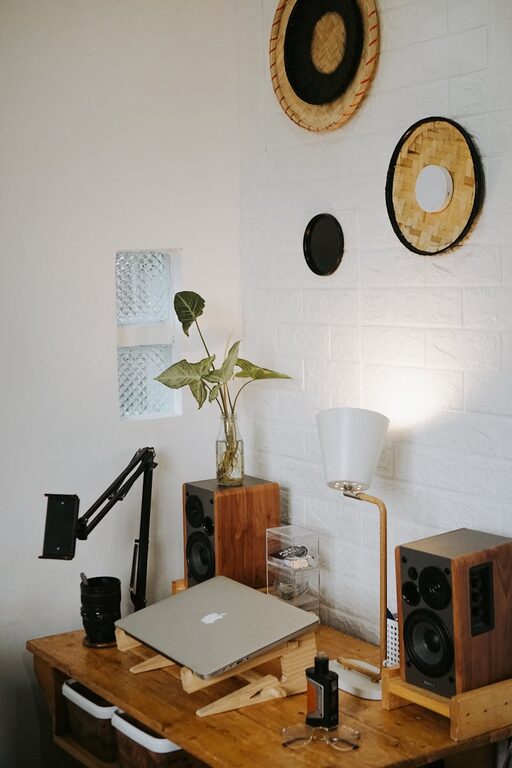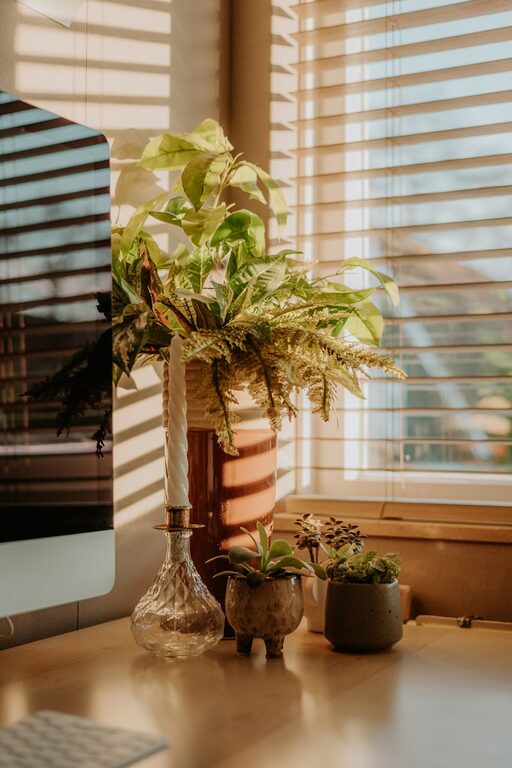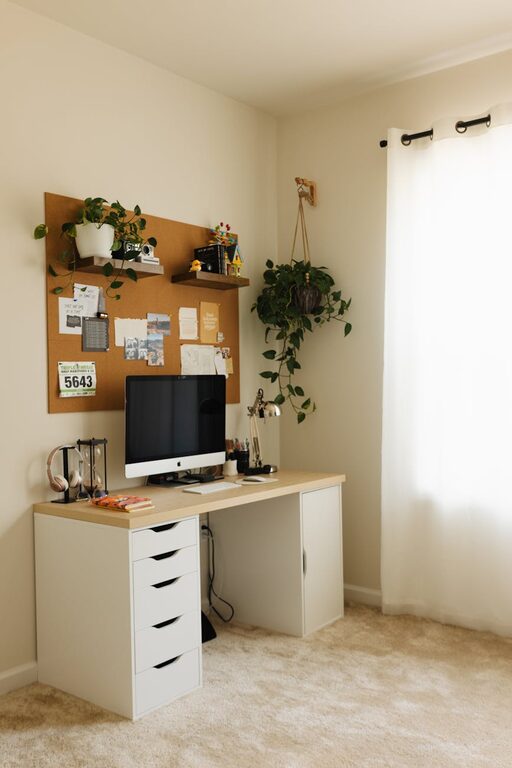

Creating a clutter-free and efficient home office space is essential for boosting productivity, maintaining focus, and promoting well-being while working from home. With more people working remotely or running small businesses from their living spaces, having a dedicated and organized office area is important. Here are some practical tips and strategies to help you organize your home office so that it remains tidy, functional, and inspiring.
Choose the Right Location
Before organizing, the foundation of productivity is selecting an ideal location for your home office. Look for a spot that:
– Has good natural light to reduce eye strain and improve mood.
– Is quiet and away from high-traffic areas to minimise distractions.
– Fits your work needs — for example, enough space for a desk, chair, and storage.
– Allows for privacy if video calls or focus time is needed.
Even a corner of a larger room can be transformed into a productive workspace with the right setup.
Declutter Regularly to Maintain Focus
Clutter creates visual noise and can lead to unnecessary stress. Start by decluttering your home office:
– Sort through papers, supplies, and equipment. Keep only what you need.
– Shred or recycle old documents and manuals.
– Digitize papers when possible to reduce physical storage.
– Limit knick-knacks or personal items on your desk to a few meaningful pieces.
Set a schedule to clear your desk and reorganize at least once a week to prevent clutter build-up.
Invest in Efficient Storage Solutions
Smart storage is key to keeping your home office tidy without sacrificing accessibility.
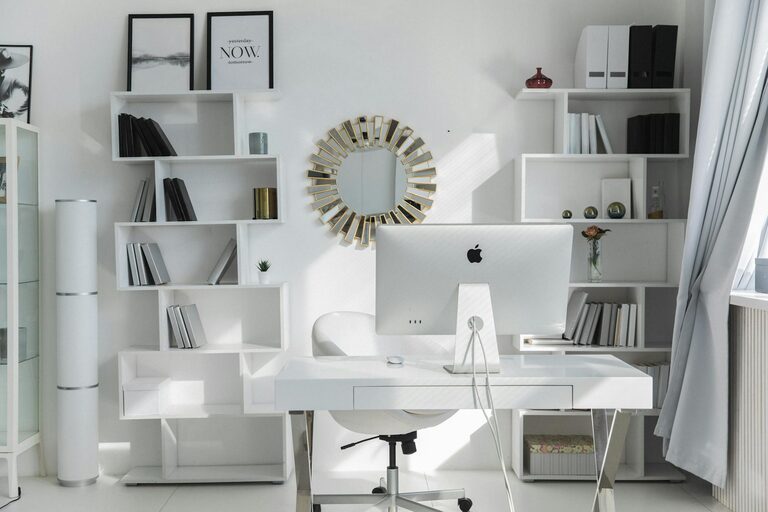
– Use shelves, filing cabinets, or stackable bins to organize materials.
– Drawer dividers help separate stationery items for quick access.
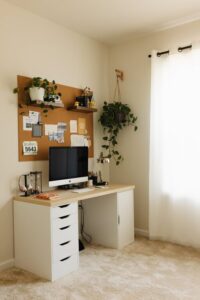
– Wall-mounted organizers or pegboards save desk space and keep essentials in view.
– Label storage containers and files to locate items faster.
Consider multi-functional furniture with built-in storage, such as desks with drawers or benches with compartments.
Optimize Your Desk Layout
Your desk is the heart of your workspace. A well-arranged desk promotes comfort and efficiency.
– Place frequently used items like your computer, phone, and notes within arm’s reach.
– Keep the surface clear except for essentials to maximize workspace.
– Use cable organizers or clips to manage cords and avoid tangles.
– Position your monitor at eye level to maintain good posture.
If your desk is small, vertical space becomes more important for organizing supplies and equipment.
Create Zones for Different Tasks
Design your home office to accommodate different activities by creating zones:
– A primary workspace for computer work.
– A reading or brainstorming area with comfortable seating.
– A storage zone for documents, books, and office supplies.
Clearly defined zones help your brain switch tasks and maintain organisation.
Use Lighting Wisely
Proper lighting enhances focus and reduces fatigue.
– Combine natural light with adjustable desk lamps.
– Avoid glare on your computer screen by positioning lights carefully.
– Consider daylight bulbs for a bright and energising atmosphere.
Having control over lighting allows you to adjust your environment according to the time of day and work needs.
Personalize Mindfully
Personal touches make your office space inviting, but too much can cause distraction.
– Choose a few items like a plant, photo, or artwork that inspire you.
– Use calming colours and décor that reflect your personality but keep the overall look clean.
A balanced approach to personalization helps sustain motivation without cluttering the space.
Maintain Digital Organization
An efficient home office extends to digital files and tools.
– Regularly clean up your desktop and email inbox.
– Use cloud storage and backups for important documents.
– Employ digital calendars and task managers to keep on top of projects.
Keeping your digital workspace organized complements your physical office setup.
Establish Daily Habits for a Clutter-Free Office
Finally, build daily habits that encourage tidiness and efficiency:
– Spend five to ten minutes before finishing your workday to tidy your desk.
– Refill supplies only as needed to avoid overstocking.
– Review your priorities and workspace setup periodically and adjust as required.
Consistency in organisation habits ensures your home office remains a productive space long-term.
—
By applying these tips, you can create a home office that supports your work goals and promotes a sense of calm and order. Remember, a clutter-free and efficient office is achievable with thoughtful planning, regular maintenance, and smart storage solutions. Your workspace doesn’t have to be perfect—it just needs to work for you.