
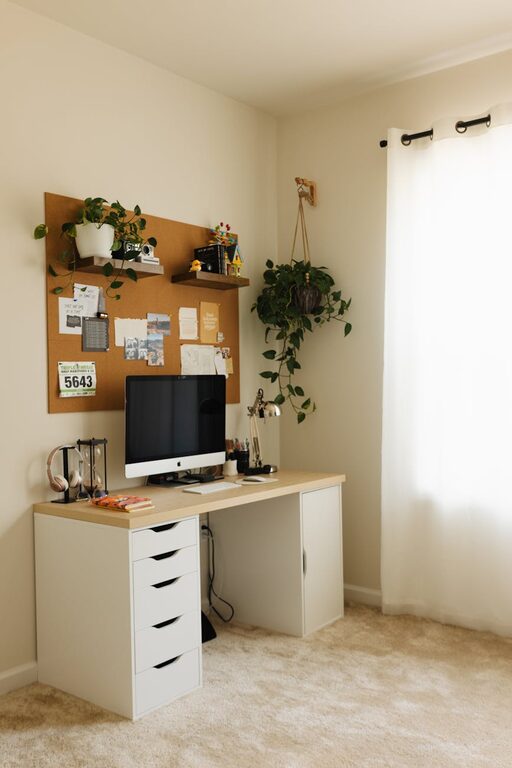
Creating a home office that balances comfort and productivity can significantly enhance your work experience. Whether you’re working full-time from home or need a quiet spot for occasional tasks, making your workspace cozy and efficient helps maintain focus and motivation. Here are some useful tips to design a home office that suits your needs.
Choose the Right Location
Find a Quiet Spot
Select a space in your home where distractions are minimal. This could be a spare room, a corner in the living room, or even a nook near a window. A quiet environment supports concentration and helps you separate work time from personal life.
Consider Natural Light
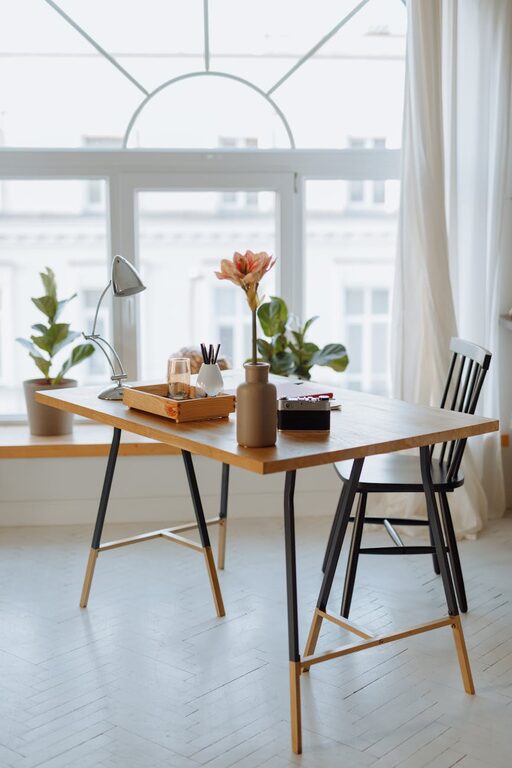
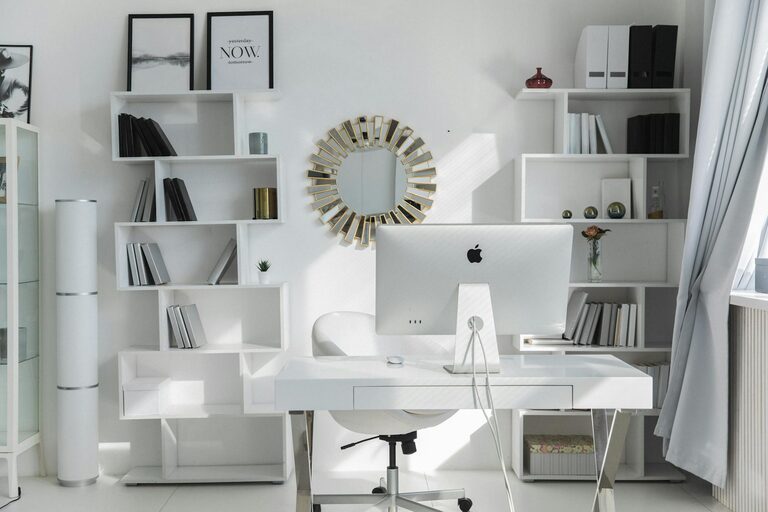
Natural light is uplifting and reduces eye strain. Position your desk near a window if possible. If natural light is limited, invest in good quality artificial lighting that mimics daylight to keep your workspace bright and inviting.
Invest in Comfortable Furniture
Ergonomic Chair
Comfortable seating is key to avoiding back pain and fatigue. An ergonomic chair supports good posture and allows for long work sessions without discomfort.
Functional Desk
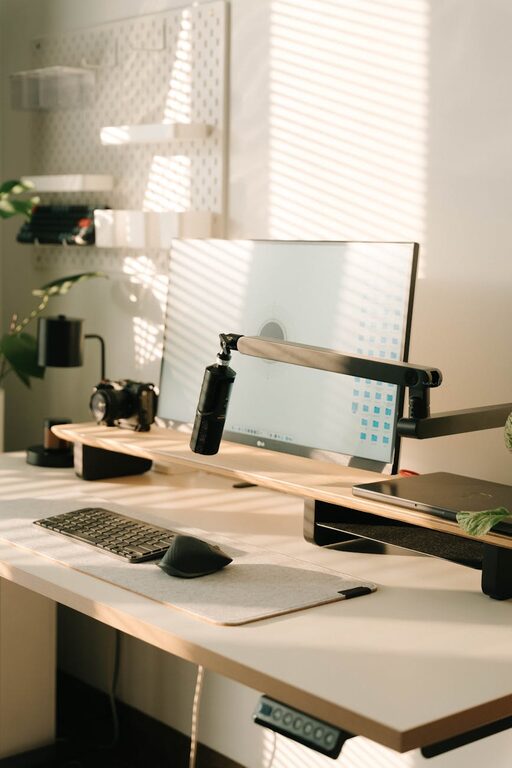
Choose a desk big enough to hold your computer, notebooks, and other essentials without feeling cramped. Adjustable desks or standing desks can add flexibility to your workspace.
Organize for Efficiency
Declutter Regularly
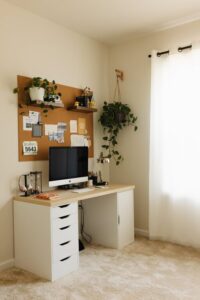
Keep only the items you use daily on your desk. Less clutter reduces stress and distractions. Use cable organizers to manage cords and keep surfaces tidy.
Use Storage Solutions
Shelves, drawers, and organizers help keep files and supplies within reach but out of the way. Label boxes or folders for quick access and better organization.
Add Personal and Cozy Touches
Soft Textiles
Incorporate soft cushions, a small rug, or a throw blanket to make your space inviting and comfortable.
Plants and Greenery
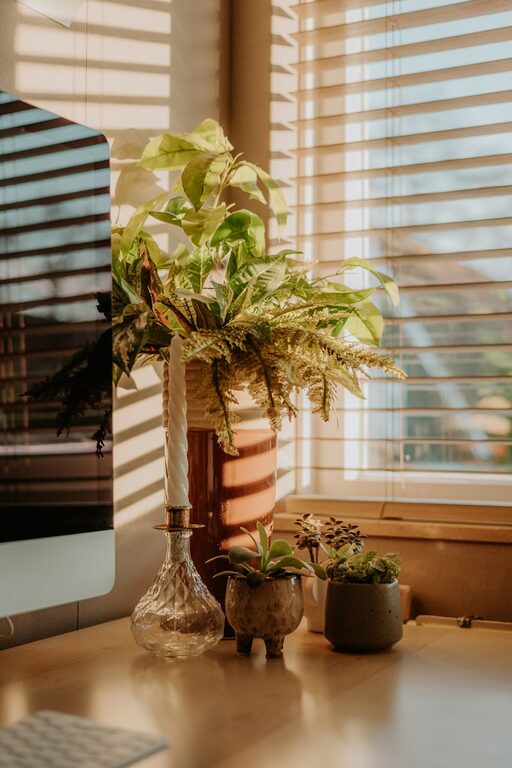
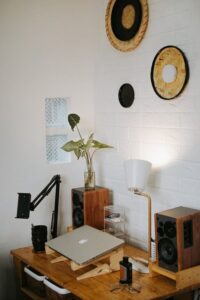
Plants not only improve air quality but also create a calm atmosphere. Choose low-maintenance varieties like succulents or pothos.
Art and Decorations
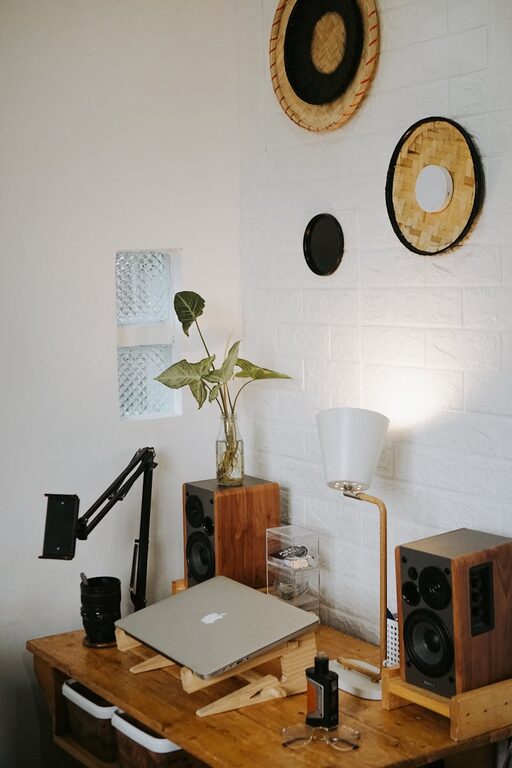
Add pictures, artwork, or inspirational quotes with personal meaning. These elements make your office feel more welcoming and motivating.
Manage Technology Wisely
Reliable Equipment
Invest in a good-quality computer, printer, and high-speed internet connection. Technical issues can interrupt your workflow, so quality matters.
Minimise Distractions
Use noise-cancelling headphones or background music if it helps you concentrate. Turn off notifications on your phone or computer during focused work periods.
Create a Work Routine
Define Your Hours
Set clear working hours to separate work from leisure. This routine builds healthy habits and helps maintain work-life balance.
Take Regular Breaks
Short breaks enhance productivity and prevent burnout. Stand up, stretch, or take a brief walk every hour.
Maintain Good Air Quality and Temperature
Ventilation
Good airflow keeps your office fresh and reduces fatigue. Open windows when possible or use an air purifier.
Comfortable Temperature
Adjust heating or cooling to keep your workspace comfortable year-round. Avoid harsh temperatures that can distract or decrease focus.
Conclusion
Designing a cozy and productive home office involves thoughtful choices about location, furniture, organisation, and personal touches. By creating a space that supports good posture, keeps clutter away, and feels inviting, you can improve your focus and enjoy your workday. Remember, a comfortable workspace is not only about aesthetics but also about functionality and balance. Take these tips as a starting point and tailor your home office to your unique preferences and needs.