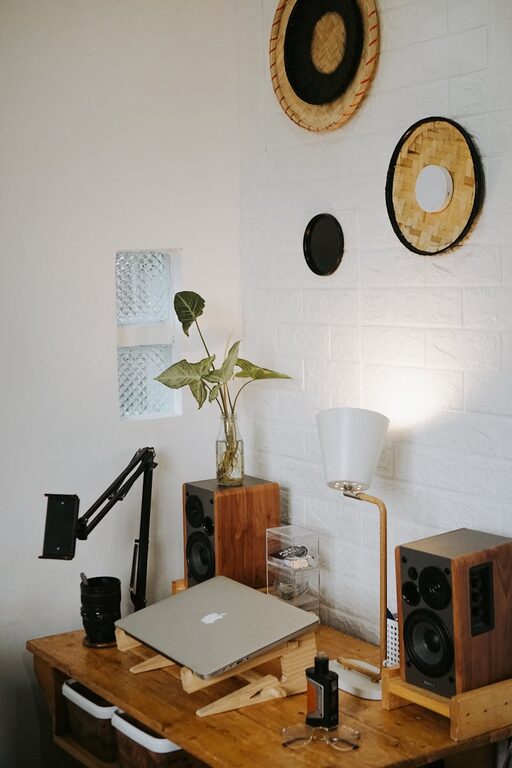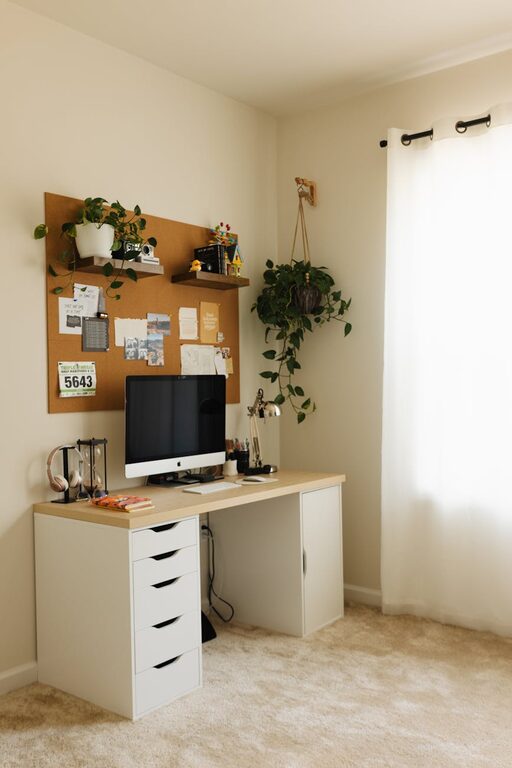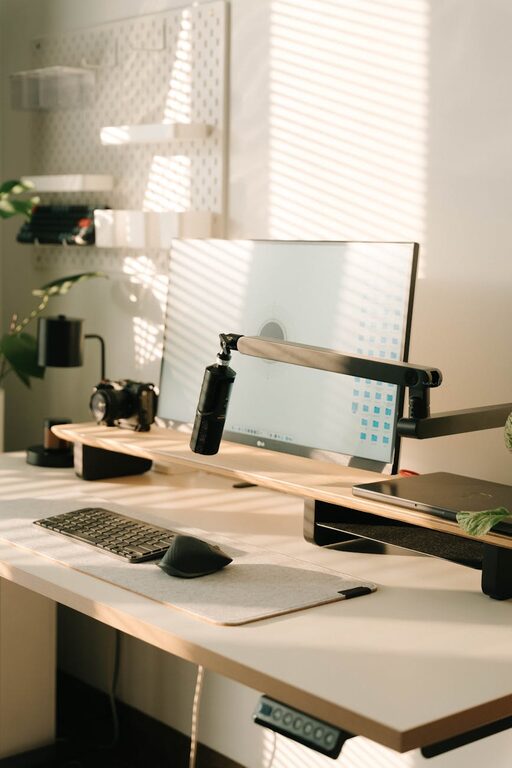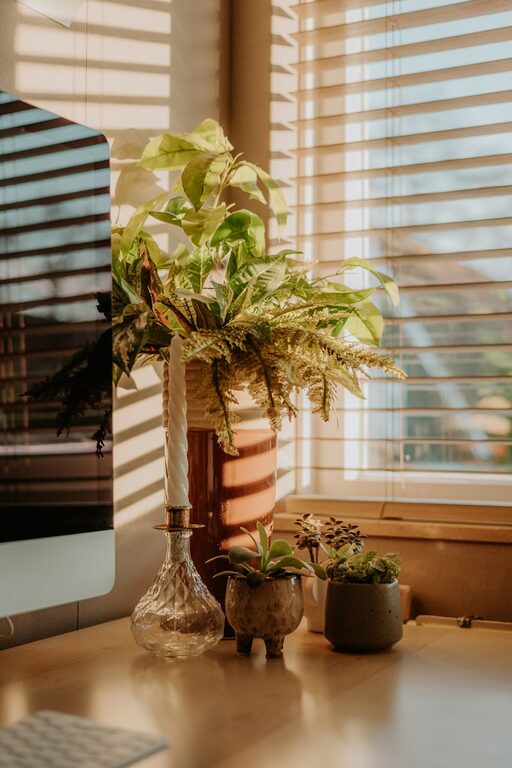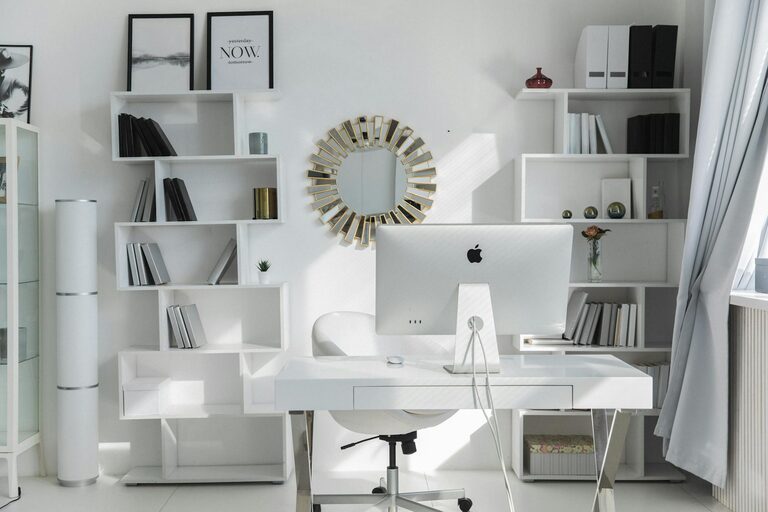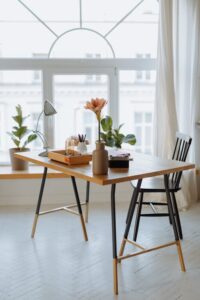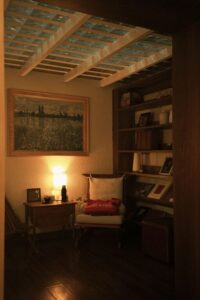
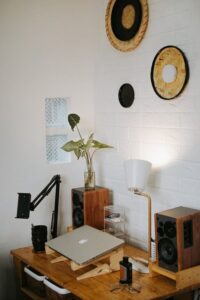

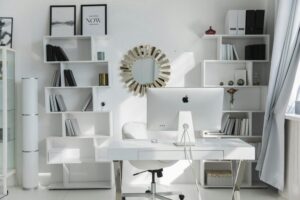
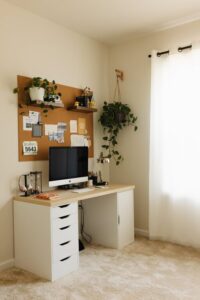
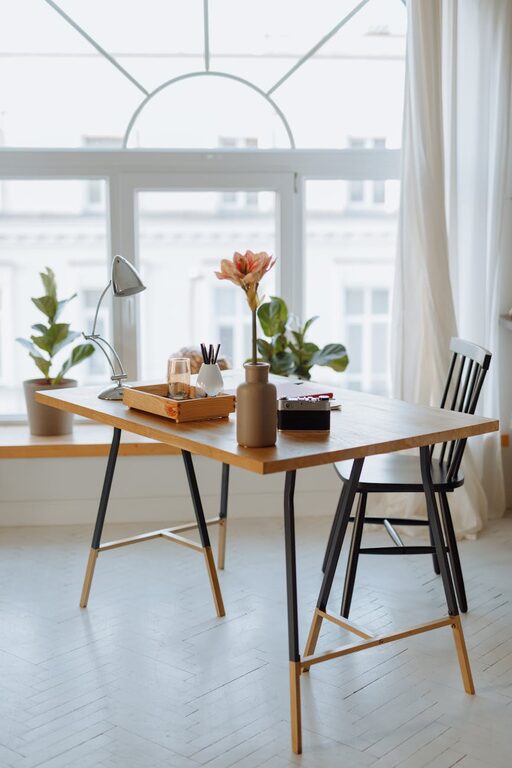
Creating a relaxing home office environment is essential for maintaining productivity and well-being while working from home. A calm and inviting workspace can help reduce stress, improve focus, and make your daily tasks more enjoyable. Whether you have a dedicated room or a small corner, the following tips will help you design an office that feels soothing and functional.
Choose the Right Location
Choosing the ideal spot for your home office is the first step toward a relaxing workspace. Look for a quiet area away from distractions like the kitchen or loud family zones. If possible, select a space with natural light, as it can boost mood and energy.
Tips for selecting your office space:
– Avoid high-traffic areas to minimize interruptions.
– Prefer a spot near a window for daylight and fresh air.
– Ensure the area is large enough for essential furniture and movement.
Invest in Comfortable Furniture
Comfort plays a major role in relaxation. Choose ergonomic furniture that supports good posture and reduces physical strain throughout the day.
Essential office furniture includes:
– Ergonomic chair: Adjustable height, lumbar support, and comfortable cushioning.
– Desk: The right height for typing and writing; consider adjustable desks for alternating between sitting and standing.
– Footrest: Helps reduce pressure on your legs and improves circulation.
Optimize Lighting
Proper lighting reduces eye strain and creates a pleasant ambiance in your home office. Combining natural and artificial lighting is ideal.
Lighting tips:
– Use daylight bulbs that mimic natural light.
– Position your desk to avoid glare on screens.
– Add a desk lamp for focused lighting during darker hours.
Declutter and Organize
A messy workspace can increase stress and reduce concentration. Keeping your office tidy and organized will make it more relaxing and easier to work in.
Organizing strategies:
– Use storage solutions like shelves, filing cabinets, or boxes.
– Implement a daily clean-up routine.
– Keep only essential items on your desk.
Incorporate Soothing Colors
Colors influence mood and energy. Choose colors that promote calmness and positivity in your home office.
Recommended color choices:
– Soft blues and greens for relaxation.
– Neutral tones like beige or light gray for a clean look.
– Avoid overly bright or distracting colors.
Add Personal Touches
Personalizing your workspace can increase comfort and happiness. Adding items that inspire or relax you makes the environment more inviting.
Ideas for personalization:
– Framed photos or artwork.
– Indoor plants to improve air quality and add greenery.
– A small water fountain or calming scents like lavender.
Manage Noise Levels
Noise distractions can be stressful when working from home. Controlling the sound environment is crucial for a relaxing office.
Noise control tips:
– Use noise-cancelling headphones or white noise machines.
– Install thick curtains or rugs to dampen sound.
– Inform family members about your work hours to reduce interruptions.
Incorporate Break Spaces
Scheduling breaks in a different part of your home encourages relaxation and helps prevent burnout.
Break ideas:
– Designate a comfortable chair or nook away from your desk.
– Practice stretching or light exercise.
– Spend time outdoors if possible for fresh air.
Keep Technology Minimal and Efficient
Technology is essential but can make your workspace feel cluttered or overwhelming.
Tips for tech setup:
– Use wireless devices to reduce cable clutter.
– Position screens at eye level to avoid neck strain.
– Regularly update and maintain your equipment.
Maintain Air Quality and Comfort
Good air quality and temperature management contribute to comfort and alertness.
Suggestions:
– Open windows regularly to ventilate.
– Use an air purifier if needed.
– Adjust room temperature to a comfortable level, typically between 20-22°C.
—
Creating a relaxing home office environment doesn’t require a complete overhaul. Small changes can make a big difference in how comfortable and productive you feel while working. By carefully selecting your space, focusing on comfort, minimizing distractions, and adding personal touches, you’ll develop a workspace that supports both your work and well-being. Take time to tailor your office to your needs and enjoy the benefits of a calming and functional home workspace.